
Author name: hish4mhyderali@gmail.com

Social Media In Digital Marketing
Uncategorized

Advantages and Disadvantages of Social Media in Digital Marketing

social media in digital marketing Social media has changed the way businesses connect with people. Today, it is not just a place to share pictures or chat with friends. It is a powerful platform for marketing, communication, and brand building. Almost every business, small or big, uses social media to promote products and services. But like every tool, social media also has its pros and cons. When used wisely, it can grow your business faster than ever. But if used wrongly, it can harm your reputation or waste your money. Let’s take a closer look at the advantages and disadvantages of social media in digital marketing. Advantages and Disadvantages of Social Media in Digital Marketing Social media has completely transformed the way businesses connect with their audiences. Today, it is no longer just a digital space to share personal pictures, catch up with friends, or watch entertaining videos. It has evolved into a powerhouse for brand building, direct consumer communication, and advanced marketing execution. Almost every modern enterprise—from local boutique shops to multinational corporations—relies heavily on social platforms to promote their products and services. However, like every digital tool, social media is a double-edged sword. When utilized with a well-planned strategy, it can scale your business and generate revenue faster than traditional advertising methods. On the flip side, mismanaged campaigns can quickly drain your marketing budget, damage your brand reputation, or expose you to public relations crises. Let’s take a comprehensive look at the key advantages and disadvantages of social media in digital marketing. The Major Advantages of Social Media in Digital Marketing 1. Hyper-Targeted Audience Reach Traditional advertising channels like billboards or television commercials broadcast your message to a broad, generalized audience. In contrast, modern digital marketing platforms like Meta, LinkedIn, and TikTok offer unprecedented targeting capabilities. You can segment your audience based on precise demographics, geographic locations, buying behaviors, and explicit interests, ensuring your marketing dollars are spent only on high-potential leads. 2. Enhanced Brand Awareness and Visibility With billions of active users scrolling through feeds daily, social media gives your business a global storefront. Consistent posting, engaging content, and active community management elevate your brand visibility. Over time, this constant digital presence builds familiarity, making consumers far more likely to choose your products or services when they are ready to make a purchasing decision. 3. Direct Customer Engagement and Real-Time Feedback Social media introduces a two-way communication channel between brands and consumers. Unlike static websites or print ads, social platforms let customers ask questions, leave reviews, and voice concerns directly. Responding to these interactions builds trust, shows customer-centric values, and provides invaluable real-time insights into what your target audience likes or dislikes. 4. Cost-Effective Advertising Models Compared to traditional print or broadcast media, social media advertising is remarkably accessible. Most platforms allow you to start ad campaigns with minimal budgets, giving small businesses a fair chance to compete. Coupled with advanced performance tracking, you can monitor your return on investment (ROI) precisely and adjust campaigns on the fly. The Disadvantages and Risks of Social Media Marketing 1. High Time and Resource Commitment While launching a social media profile is free, maintaining a successful presence is labor-intensive. It requires continuous content creation, graphic design, copywriting, video editing, and community monitoring. For small business owners or lean marketing teams, keeping up with multiple platforms can quickly lead to burnout. 2. The Danger of Negative Public Feedback Social media is entirely public, which means your triumphs and failures are on display for everyone to see. A single customer service mistake, a tone-deaf advertisement, or an unresolved complaint can spark a viral backlash. Negative reviews or public complaints can severely damage brand credibility if not handled swiftly and professionally. 3. Algorithm Volatility and Organic Reach Decline Relying entirely on organic social media growth is becoming increasingly difficult. Major social networks frequently update their algorithms to prioritize paid advertising or content from personal accounts over business pages. This means your organic posts may only reach a tiny fraction of your actual follower base unless you allocate budget for paid promotion. 4. Intense Online Competition Because the barrier to entry is low, virtually all of your competitors are also active on social media. Standing out in a saturated digital landscape requires exceptional creativity, consistent branding, and high-production-value content. Without a distinct unique selling proposition (USP), your brand risk getting completely lost in the noise. Conclusion Social media is an indispensable pillar of modern digital growth. The opportunities it provides for targeting, global reach, and direct customer connection far outweigh the challenges, provided you approach it with clear goals and proper risk management. By understanding both the powerful benefits and the inherent pitfalls, you can build a resilient social media marketing strategy that drives sustainable success for your business. What is Social Media Marketing?

Digital Growth Strategy
Uncategorized

Modern digital Marketing

The Architecture of Modern Digital Growth: Mastering the New Paradigm Digital Growth Strategy Modern digital marketing demands a complete realignment of strategy, technology, and customer engagement. Brands can no longer rely on fragmented tactics or superficial campaigns to drive sustainable revenue. Instead, enterprise success requires a unified, data-driven framework that aligns brand storytelling with precise algorithmic execution. Today’s commercial landscape accelerates faster than ever before. Organizations must orchestrate complex digital ecosystems to attract, convert, and retain sophisticated global audiences. The following framework outlines the vital pillars required to command authority, maximize capital efficiency, and build lasting market dominance in the contemporary digital era. 1. Algorithmic Intelligence: Precision Targeting in an AI-Driven World Artificial intelligence now serves as the primary engine powering high-performance campaigns. Machine learning algorithms process millions of behavioral signals every second, allowing growth marketers to predict user intent before explicit searches occur. Modern digital marketing leverages this predictive capability to allocate ad spend dynamically across multi-channel environments. Marketing teams deploy machine learning models to automate campaign adjustments and audience segmentation. By shifting routine programmatic optimizations to intelligent software, strategies pivot faster toward high-value market opportunities. This shift transforms static digital promotions into responsive systems that constantly adapt to market demand. 2. Omnichannel Orchestration: Crafting Frictionless Customer Journeys Consumers interact with brands across dozens of touchpoints before making a single purchase decision. Modern digital marketing unites search engines, social networks, mobile apps, and direct communications into a single cohesive experience. Isolating these platforms creates fragmented messaging and damages customer trust. Successful leaders align creative messaging and offer structures across every active channel. When a prospect encounters an ad on social media, reads an authoritative whitepaper, and receives a follow-up email, every interaction must build upon the previous touchpoint. Unified tracking systems ensure the consumer moves fluidly toward conversion without friction. 3. High-Velocity Content Engines: Authority Through Intentional Value Content creation must focus strictly on topical authority and customer problem-solving. Modern digital marketing abandons generic, high-volume production in favor of deep, expert-led insights that satisfy real search queries. High-performing brands engineer authority by answering complex industry questions with absolute clarity. Content strategy functions as a long-term compound asset rather than a temporary expense. Businesses structure strategic content pillars that support search rankings, power social channels, and fuel lead-nurturing sequences. This holistic approach captures organic demand, builds brand credibility, and educates buyers throughout the sales cycle. 4. Hyper-Personalization: Mass Customization at Scale Generic mass marketing yields declining returns in today’s competitive digital economy. Modern digital marketing uses real-time user data to deliver individual messaging, product recommendations, and custom landing page experiences. Dynamic content engines tailor every visual and headline to match the user’s explicit preferences. Personalization strategies extend deeply into retention and lifecycle workflows. Marketing platforms analyze historical purchase data and engagement metrics to send automated offers at the exact moment of maximum intent. This targeted approach increases customer lifetime value while simultaneously reducing customer acquisition costs. 5. Performance Attribution: Beyond Modern vanity Metrics Data-driven decision making separates industry leaders from lagging competitors. Modern digital marketing relies on multi-touch attribution models that trace revenue directly back to primary growth drivers. Executives look past surface metrics like page impressions or superficial social likes, choosing instead to analyze return on ad spend and acquisition efficiency. Robust analytics infrastructures track complex user behaviors across extended consideration periods. Modern marketing operations continuously test landing page variations, ad formats, and call-to-action copy through systematic testing protocols. Continuous testing ensures every dollar spent delivers measurable revenue growth. 6. Social Ecosystems: Community Building as a Growth Engine Social media platforms are no longer simple broadcast channels; they serve as dynamic community spaces. Modern digital marketing builds direct relationships with target audiences through authentic, interactive conversations. Brands prioritize community involvement, video content, and direct interactions to establish genuine authority. Leveraging creator networks and user-generated content dramatically accelerates brand trust. Organizations collaborate with micro-creators who possess deep credibility within specialized market niches. These strategic partnerships expand audience reach and deliver organic social proof that traditional corporate advertising cannot match. 7. First-Party Data Strategies: Navigating the Privacy Shift Evolving privacy regulations and browser restrictions have altered traditional data collection methods forever. Modern digital marketing prioritizes the ethical collection of zero-party and first-party data directly from consumers. Brands build robust subscriber lists, loyalty programs, and interactive experiences to collect valuable insights with explicit consent. Centralizing customer relationship data into secure data platforms allows companies to maintain targeting accuracy. Direct control over consumer data shields organizations from changing third-party tracking policies. Sustainable businesses treat data privacy as a core competitive advantage that deepens consumer trust. 8. Conversion Rate Optimization: Engineering the Digital Funnel Driving traffic to a digital destination represents only half of the growth equation. Modern digital marketing applies rigorous user experience research to convert site visitors into active customers. Conversion rate optimization evaluates mobile responsiveness, site navigation speed, and checkout friction to remove conversion barriers. Conversion specialists test structural variations using quantitative behavior maps and session recordings. Optimizing page layouts, simplifying web forms, and refining copy hierarchy dramatically boosts ROI without increasing initial ad budgets. Incremental conversion gains compound quickly across high-traffic marketing channels. 9. Conversational Commerce: Instantaneous Real-Time Engagement Modern consumers demand immediate answers to their commercial inquiries. Modern digital marketing integrates intelligent messaging frameworks directly into web properties, social profiles, and mobile applications. Real-time communication channels guide buyers through consideration phases without artificial delays. Automated conversational platforms resolve routine customer questions, pre-qualify incoming sales leads, and complete direct orders. Unifying automated responses with immediate human escalation ensures high-value prospects receive instant support. Real-time conversational systems improve customer satisfaction metrics and accelerate global sales cycle

Website Seo Optimization
Uncategorized

Website Seo Optimization

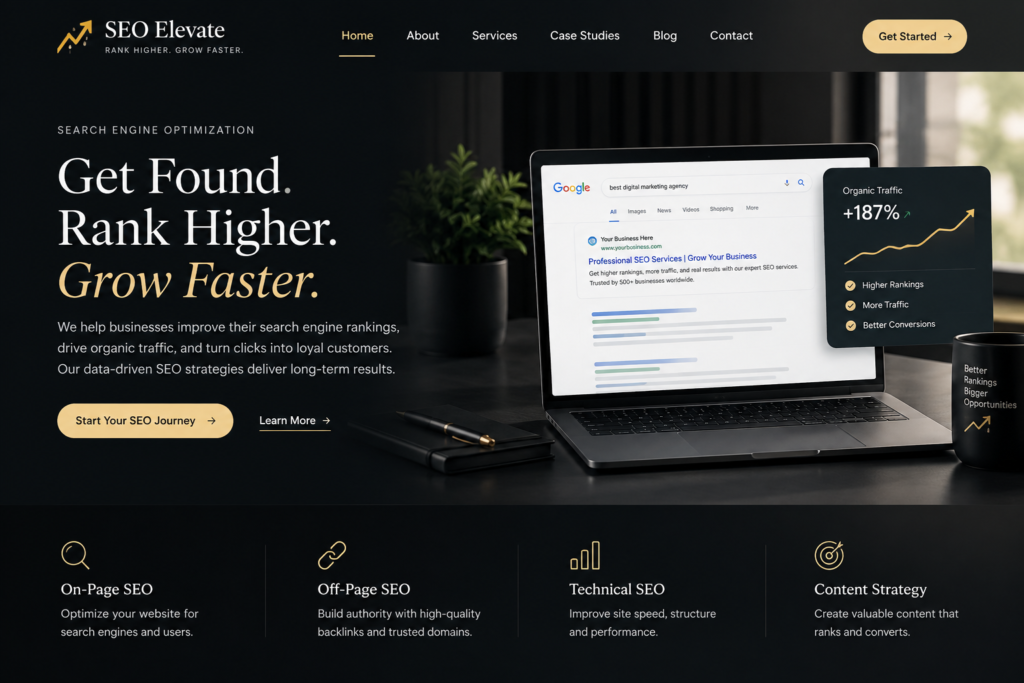
The Master Blueprint: How to Optimise Your Website for SEO to Achieve Search Dominance 1. Website Seo Optimization Search engine optimization transforms static digital assets into dynamic channels for audience acquisition. Search algorithms process billions of queries daily, evaluating complex signals to index and rank relevant content efficiently. Consequently, digital creators must align technical infrastructure and structural clarity with modern retrieval mechanisms. Understanding this algorithmic landscape establishes the primary foundation for sustainable organic visibility and ongoing traffic growth. Modern search engines prioritize relevance, user experience, and domain authority when assigning rank positions. Therefore, optimizing a website requires a structured, multi-dimensional approach rather than isolated technical tweaks. Organizations must continuously analyze performance metrics, user engagement signals, and competitive landscapes to maintain search dominance. By mastering these core mechanics, brands establish resilient digital platforms capable of enduring frequent core algorithm updates. 2. Deciphering User Intent Through Strategic Keyword Intelligence Effective optimization begins with granular keyword research and comprehensive audience profiling. Digital strategists must look beyond raw query volumes to understand the exact intent driving user searches. Categorizing search terms into informational, navigational, commercial, and transactional buckets enables precise content mapping. Consequently, aligning web copy directly with user expectations increases dwell time and reduces immediate bounce rates. Furthermore, integrating long-tail search phrases captures highly targeted traffic near the bottom of the conversion funnel. Analysts utilize specialized research software, search suggestions, and competitive gap analyses to uncover high-value opportunities. Content teams then strategically embed these terms into critical page elements, including titles, headings, and body copy. This targeted approach signals topic authority clearly to algorithmic crawlers while answering specific audience inquiries. Search Intent Category User Goal Optimization Focus Example Query Format Informational Seeking knowledge or answers Comprehensive guides, FAQs, definitions “How to optimize your website for SEO” Commercial Researching options or brands Comparison tables, feature lists, reviews “Best SEO platforms vs custom tools” Transactional Completing a purchase or action Clear calls to action, pricing, checkout “Buy custom SEO audit package online” Navigational Reaching a specific destination Brand landing pages, login portals “Search Console login page” 3. Engineering Peak Technical Infrastructure and Architecture A flawless technical foundation ensures search crawlers discover, interpret, and index website assets efficiently. Developers must maintain clean, logical site architecture utilizing hierarchical directory structures and clean URL paths. Furthermore, submitting comprehensive XML sitemaps directly to search engine consoles accelerates page discovery. Eliminating crawl errors, broken links, and duplicate content issues maintains crawler budget efficiency across large domains. Simultaneously, page rendering speeds directly influence technical performance scores and actual search positions. Search platforms heavily evaluate core usability metrics, such as loading performance, interactivity, and visual stability. Developers optimize asset loading by minifying code scripts, leveraging browser caching, and implementing modern image compression formats. Consequently, swift load times reduce user friction and solidify overall search rankings. 4. Architecting High-Impact On-Page Semantic Content Content remains the fundamental medium through which websites communicate value to users and search bots alike. Creating authoritative, well-researched copy requires structured formatting that incorporates primary keywords organically. Writers structure text using logical heading hierarchies, breaking complex topics into digestible sections. In addition, providing clear answers early in the text improves chances of capturing featured snippet placement. Beyond text copy, meta tags serve as essential digital storefront signage within search engine results pages. Compelling meta titles and description tags entice searchers to click, directly driving organic click-through rates. Furthermore, optimizing image alt text with descriptive keywords improves web accessibility while enhancing visual search indexing. This dual focus on human readability and algorithmic clarity drives superior performance. 5. Elevating User Experience and Mobile Responsiveness Modern search platforms evaluate user experience signals to verify whether landers receive meaningful value. Responsive web design ensures pages adapt flawlessly across desktop monitors, tablets, and smartphone displays. Because search engines prioritize mobile-first indexing, mobile site performance directly dictates global search visibility. Designing clean, touch-friendly interfaces prevents user frustration and improves overall engagement. In addition, site navigation must guide visitors effortlessly toward relevant information. Clear internal links, accessible menus, and intuitive site layouts reduce navigation friction significantly. When users find value quickly, dwell time increases and site exit rates decrease. Search algorithms interpret these positive behavioral signals as direct indicators of high-quality web experiences. Crucial Optimization Maxim: Technical precision attracts search algorithms, but superior user experience converts visiting traffic into long-term brand equity. 6. Implementing Advanced Structured Data and Schema Markup Structured data markup acts as a universal translator between site code and modern search algorithms. By embedding standard schema vocabularies into page HTML, webmasters convey precise context regarding products, articles, organizations, and events. Search engines utilize this structured data to display rich snippets, knowledge panels, and enhanced search features. Consequently, rich search listings achieve significantly higher visual prominence and click-through metrics. Implementing JSON-LD scripts allows technical teams to annotate key data points without altering visual site design. Common schema implementations include article metadata, review ratings, business locations, and structured FAQ sections. Validating code using official testing environments prevents syntax errors and ensures seamless indexation. Therefore, structured markup remains an indispensable lever for advanced organic search execution. 7. Cultivating Authority Through Link Building and Digital PR Off-page optimization establishes domain authority and credibility across the broader web ecosystem. Search algorithms treat incoming hyperlinks from external websites as confidence votes for page quality. Acquiring high-authority backlinks requires proactive digital PR campaigns, original industry research, and strategic content partnerships. Consequently, earned links from trusted domains signal strong subject matter expertise to evaluation algorithms. However, modern search platforms easily identify manipulative link schemes and low-quality directory spam. Digital strategists must emphasize link quality, source relevance, and natural anchor text distribution over raw backlink quantities. Conducting routine backlink profile audits helps identify toxic incoming links that require disavowal. Maintaining a clean link profile protects domains against algorithmic penalties and manual search suppressions. 8. Dominating Local Search Landscapes and Geotargeted Queries For organizations serving specific geographical markets, local search optimization drives high-intent traffic directly to physical locations. Establishing and fully optimizing verified business profiles ensures visibility across local map packs and location-based

Social Media In Digital Marketing
Uncategorized

WordPress Vs Ai Website Builders

Compare wordpress vs ai website builders to discover whether open-source ownership or automated AI speed is the right choice for your next project. The debate between WordPress and AI website builders represents a fundamental shift in web development, pitting ultimate ownership and scalability against unprecedented speed and accessibility. While AI builders excel at generating functional, visually polished sites in minutes—making them ideal for non-technical users, simple landing pages, and rapid prototyping—they often come with closed ecosystems, limited custom code access, and platform vendor lock-in. Conversely, WordPress powers over 40% of the web precisely because of its open-source flexibility, deep SEO and plugin control, and unlimited custom technical scalability, though it demands a steeper learning curve and ongoing maintenance. Ultimately, the future of website development is not a winner-take-all scenario, but a hybrid dynamic where AI builders dominate basic online presence and WordPress evolves by integrating AI tools directly into its open-source ecosystem to streamline enterprise and custom development. 1. Paradigm Shift in Digital Architecture The rapid progression of web technologies continuously redefines how organizations establish their online presence. Today, digital architects evaluate two primary paradigms: traditional content management systems and autonomous generative tools. This structural division introduces a pivotal debate: WordPress vs AI Website Builders: The Future of Website Development. Decision-makers must analyze whether swift automated deployment justifies trading away deep technical ownership and long-term architectural flexibility. Artificial intelligence accelerates initial creation by converting natural language prompts into working structural layouts instantly. However, custom code access remains restricted within these closed ecosystems, limiting complex data engineering. Enterprise projects continuously require granular database customization and API integrations. Consequently, understanding the core boundaries of both paradigms becomes essential before embarking on long-term digital initiatives. 2. Velocity and Accessibility of AI-Driven Builders Autonomous builders streamline the initial development phase through rapid visual generation and automated hosting setups. Non-technical users input simple requirements, allowing algorithmically trained models to construct functional pages within minutes. This eliminates standard configuration hurdles like manual database creation, theme installation, and server provisioning. Businesses deploy minimum viable products rapidly, testing operational concepts without investing significant initial capital. Furthermore, managed infrastructure inside generative platforms shields creators from complex backend maintenance. Platform providers execute server updates, handle SSL configurations, and apply security patches automatically. Because non-technical teams do not manage raw server environments or complex code repositories, operational overhead drops drastically. These tools democratize basic online presence, making modern visual design instantly accessible to small business owners. 3. Engineering Dominance of the Open-Source Ecosystem While artificial intelligence offers high speed, open-source architectures secure operational independence. WordPress powers a vast section of global websites precisely because it grants complete ownership over the code base and underlying database. Organizations migrate servers freely, modify core functions, and engineer custom database schemas without vendor interference. True software governance requires absolute control over data assets and deployment environments. In addition, an extensive plugin ecosystem delivers unparalleled functional scaling. Developers integrate complex e-commerce engines, learning management portals, and custom web applications through established extensions or custom-coded hooks. This architectural freedom prevents technical bottlenecks as business requirements expand beyond basic presentation layers. Consequently, enterprise platforms rely heavily on modular software designs. 4. Customization Boundaries and Platform Lock-In Closed visual builders construct rigid architectural boundaries that limit technical growth over time. While initial page generations appear polished, altering proprietary layouts often reveals hardcoded restrictions. Developers attempting to inject advanced client-side scripts or custom database hooks frequently encounter platform-imposed blockades. Consequently, scaling a site beyond template defaults forces teams into difficult operational trade-offs. Platform lock-in presents significant strategic risks for expanding organizations. Exporting raw database schemas or custom page logic out of proprietary systems remains notoriously difficult. Migrating away from closed builders typically requires complete site rebuilds, destroying accumulated styling and structure. Conversely, open-source systems allow complete data exports, enabling seamless server migrations whenever operational requirements demand a shift. Furthermore, professional web agencies utilize generative tools to streamline client onboarding and rapid wireframing. Engineering teams construct baseline prototypes using automated prompt interfaces, then convert those assets into fully customized, self-hosted themes. This hybrid workflow reduces development timelines dramatically while maintaining full architectural ownership. Consequently, speed and flexibility no longer remain mutually exclusive choices. 9. Strategic Decision Framework for Digital Leaders Selecting the optimal development platform requires a objective evaluation of technical requirements, launch timelines, and long-term organizational goals. Projects prioritizing immediate market presence, minimal technical management, and simple operational structures gain tremendous efficiency from autonomous AI builders. Conversely, enterprises building complex web applications, high-volume e-commerce stores, or custom content hubs must invest in open-source foundations. Ultimately, the future of web development belongs to organizations that deploy technology strategically based on true architectural requirements. Autonomous tools solve rapid deployment challenges gracefully, while open-source ecosystems safeguard enterprise scalability, deep customization, and absolute data control. By weighing operational trade-offs early, digital leaders build resilient platforms built to adapt alongside evolving technologies.  

Scroll to Top